Your cart

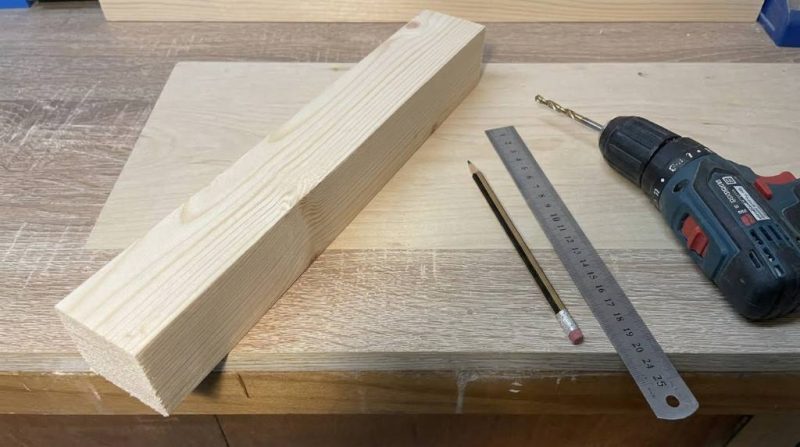
Different types of wood screws laid out on a workbench for comparison

How to Prevent Wood Splitting When Screwing

Wood splitting during screwing is one of the most frustrating problems woodworkers and DIY enthusiasts face. Studies show that nearly 60% of beginner woodworkers damage their workpieces due to improper screwing techniques. According to hardware experts, wood splitting causes thousands of dollars in wasted materials every year across American homes and job sites. Learning how to prevent wood splitting when screwing saves you time, money, and serious headaches. This guide covers every proven method, tool tip, and technique you need to get clean, professional results every time. Read More

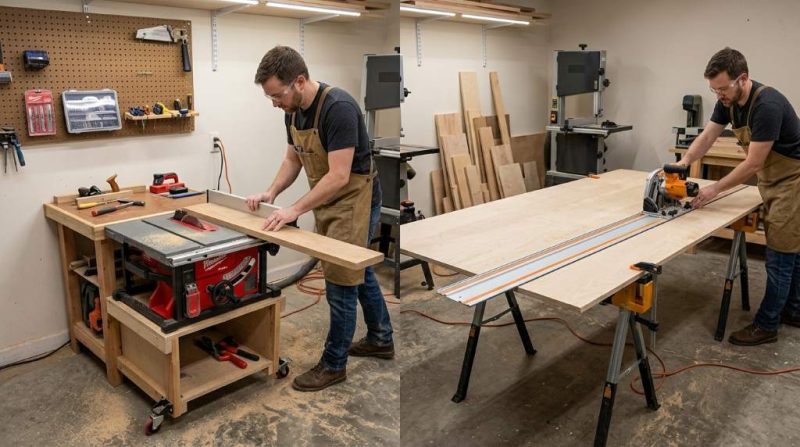
Track saw cutting plywood sheet on foam insulation boards in small garage workshop

Track Saw vs Table Saw for a Small Shop

Setting up a small woodworking shop forces you to make smart choices about every tool you buy. According to a recent survey by the Woodworkers Guild of America, over 68% of hobbyist and semi-professional woodworkers operate in spaces under 400 square feet. When floor space is limited, the debate around track saw vs table saw for a small shop becomes one of the most important decisions you will make. Both tools can rip sheet goods and handle dimensional lumber, but they serve different workflows, budgets, and space constraints. Choosing the right one can define your shop’s efficiency for years to come. Read More

Organized binders with labeled woodworking plans on a workshop shelf

Best Way to Organize Printed Woodworking Plans

If you are a woodworker who collects plans, you already know the frustration of digging through a pile of papers just to find the right blueprint. Studies show that professionals waste an average of 4.3 hours per week searching for documents they already own. Finding the best way to organize printed woodworking plans can save you time, protect your investment in paper materials, and keep your workflow smooth. A well-organized system also reduces costly mistakes caused by using outdated or incomplete plan versions. This guide gives you a complete, actionable system to finally bring order to your workshop paper chaos. Read More

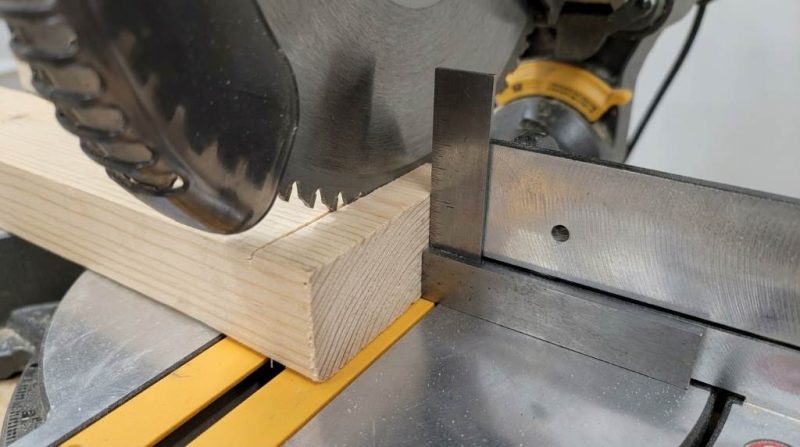
Woodworker checking miter saw blade alignment with a machinist square for a perfect 90-degree cut

How to Calibrate a Miter Saw for a Perfect 90

Achieving factory-perfect cuts starts with knowing how to calibrate a miter saw for a perfect 90. Studies show that even a 1-degree misalignment can cause visible gaps in trim work, costing homeowners and contractors hundreds in wasted materials. According to industry surveys, nearly 60% of DIYers struggle with inaccurate miter saw cuts due to improper calibration. The good news is that calibrating your saw takes less than 20 minutes and requires only basic tools. This guide walks you through every step with clarity so you can cut with total confidence. Read More

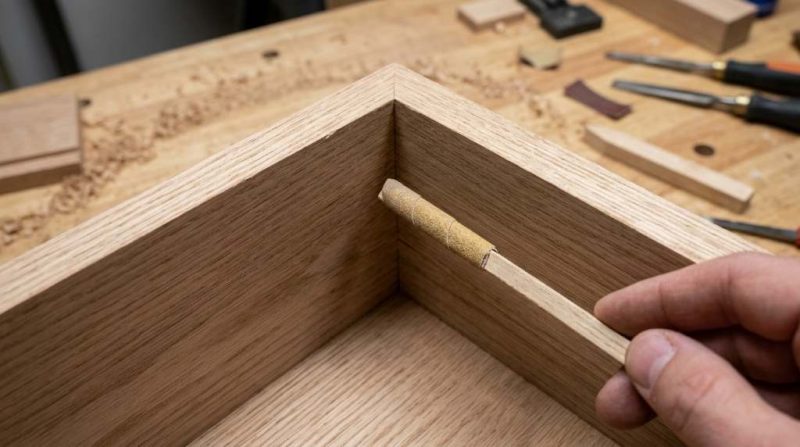
Woodworker using a detail sander to sand inside tight corners on a wood cabinet

How to Sand Inside Tight Corners on Wood Projects

Woodworking is a deeply satisfying craft, but even seasoned builders hit a frustrating wall when it comes to finishing. According to industry surveys, over 68% of DIY woodworkers say that sanding tight corners is the most challenging part of any wood project. Learning how to sand inside tight corners on wood projects is a skill that separates average finishes from truly professional results. The right tools, techniques, and a little patience can transform those tricky recesses into smooth, paint-ready surfaces. This guide covers everything you need to get it done right the first time. Read More

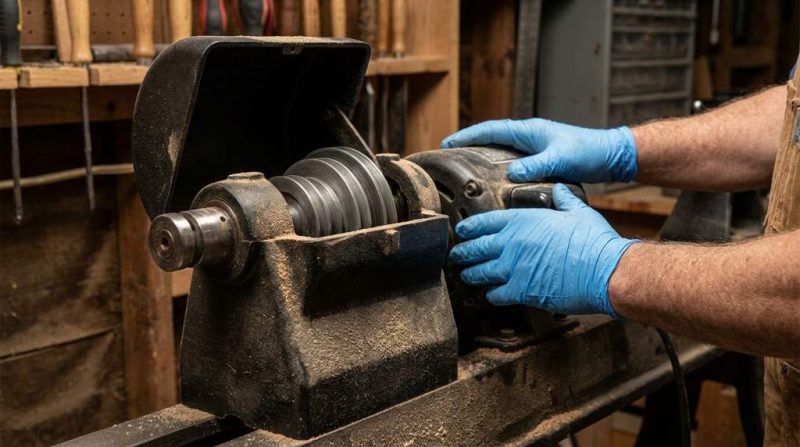
Woodworker removing old V-belt from wood lathe pulley during maintenance

How to Replace the Drive Belt on a Wood Lathe

Wood lathes are among the most rewarding tools in any woodworker’s shop, yet a worn or broken drive belt can shut down your entire workflow in minutes. According to industry surveys, belt-related issues account for nearly 30% of all lathe maintenance calls, and most woodworkers face this repair at least once every two to three years. Knowing how to replace the drive belt on a wood lathe saves you money, reduces downtime, and keeps your projects on schedule. This guide walks you through every step of the process, from identifying the right belt to reassembling your machine with confidence. Whether you own a bench-top lathe or a full-sized floor model, the process is straightforward when you follow the right approach. Read More