How to Test a Wood Moisture Meter for Accuracy
Woodworkers, contractors, and flooring professionals rely on moisture meters every single day. Studies show that nearly 80% of wood-related failures, including warping, cracking, and mold growth, trace back to incorrect moisture readings. Knowing how to test a wood moisture meter for accuracy is not optional; it is essential for protecting your projects and your reputation. A faulty meter can cost you thousands in ruined materials. This guide walks you through every reliable method to verify your meter’s performance and keep your readings trustworthy.
Why Moisture Meter Accuracy Matters More Than You Think
Inaccurate readings create a chain reaction of problems across woodworking and construction projects. Wood installed at the wrong moisture content will expand, contract, or buckle over time. Flooring installations are especially vulnerable because subfloor and surface wood must stay within a narrow moisture range. Furthermore, inspectors and insurance companies increasingly require documented, accurate readings before approving projects. A well-calibrated meter is your first line of defense against costly callbacks and material failures.
The Cost of an Inaccurate Reading
A single wrong reading can derail an entire project timeline and budget. Imagine installing hardwood floors with a meter that reads 2% lower than actual moisture content. Within months, the boards will cup or gap as the wood continues to release moisture. Beyond the financial loss, your professional credibility takes a serious hit. Testing your meter regularly removes this risk before it becomes an expensive lesson.
Understanding How Wood Moisture Meters Work
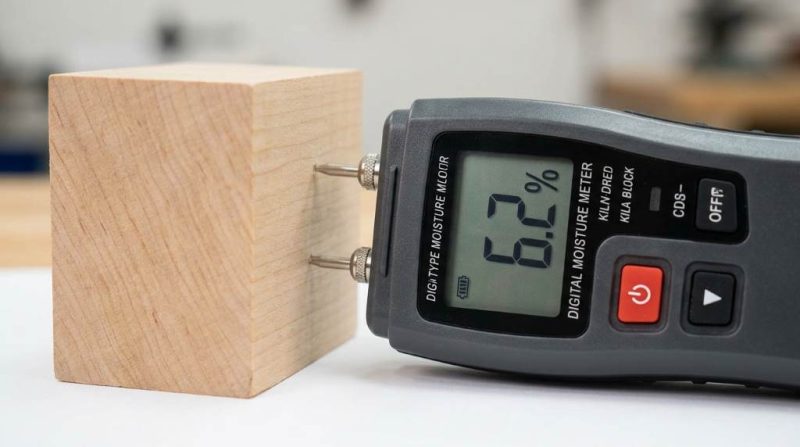
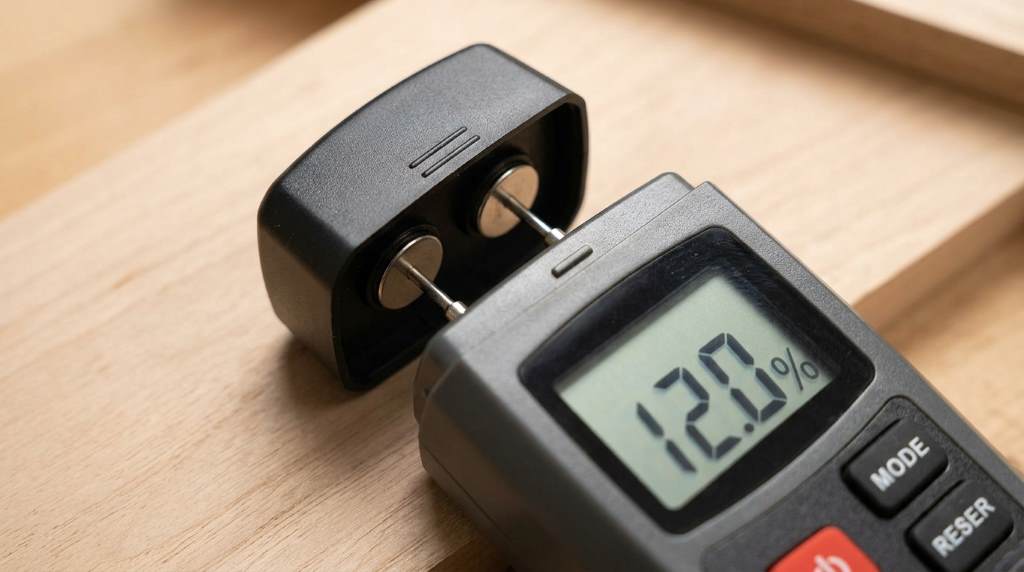
Before you test a wood moisture meter for accuracy, you need to understand the two main types available. Pin-type meters drive two metal probes into the wood and measure electrical resistance between them. Pinless meters use electromagnetic signals to scan moisture below the wood surface without causing damage. Both types are widely used in the USA, and each has specific testing methods suited to its technology. Knowing your meter type helps you choose the right accuracy test.
Pin-Type vs. Pinless Meters
Pin-type meters deliver localized readings at the exact depth of the pins. They work best for checking specific spots, like subfloors or wood that shows visible staining. Pinless meters, on the other hand, scan a broader area and work well for large surface inspections. However, pinless models can pick up interference from dense knots, adhesives, or metal fasteners underneath. Understanding these differences helps you interpret test results more accurately and consistently.
Method 1: Use a Manufacturer’s Calibration Block
The easiest and most reliable way to test a wood moisture meter for accuracy is with an OEM calibration block. Most reputable meter brands, including Delmhorst, Wagner, and General Tools, include a calibration block in the box. You simply press the meter against the block and compare the reading to the printed reference value. If your reading falls within the manufacturer’s stated tolerance, typically plus or minus 1%, your meter is performing correctly. Always start here before moving on to more advanced testing methods.
How to Use a Calibration Block Correctly
First, make sure your meter’s battery is fully charged before running any calibration check. Low batteries are one of the most common causes of inaccurate moisture readings. Next, hold the meter firmly against the block on a flat, stable surface and take three separate readings. Average those readings and compare them to the target value printed on the block. Replace or service the meter immediately if your readings consistently fall outside the acceptable range.
Method 2: The Oven-Dry Testing Method
The oven-dry method is the gold standard for verifying moisture meter accuracy in professional and laboratory settings. This process involves weighing a wood sample, drying it completely in an oven, and comparing the before and after weights. The difference in weight reveals the true moisture content as a percentage. You then compare that calculated value against what your meter reads on the same sample before drying. This method gives you a highly accurate benchmark that no calibration block can fully replicate.
Step-by-Step Oven-Dry Process
Start by cutting a small wood sample, roughly 1 inch thick and 4 inches long, from the material you are testing. Record its initial weight in grams using a precise kitchen or laboratory scale. Place the sample in an oven set to 215 degrees Fahrenheit and dry it for 24 hours until the weight stabilizes. Weigh it again after cooling, then use this formula: Moisture Content equals (Wet Weight minus Dry Weight) divided by Dry Weight, multiplied by 100. Compare this result against your meter’s earlier reading to measure its accuracy.
Method 3: Use a Reference Wood Sample with Known Moisture Content
Some professional suppliers sell certified reference wood samples with a known, verified moisture content. These samples are useful when you need a quick, repeatable test without running a full oven-dry process. You simply test the reference sample with your meter and check whether the reading matches the certified value. This method works especially well for flooring contractors who need to verify meter accuracy on job sites quickly. Keep your reference sample sealed in an airtight bag to preserve its certified moisture level between uses.
Method 4: Cross-Check with a Second Calibrated Meter
Another practical way to test a wood moisture meter for accuracy is to compare readings against a second meter that you know is well-calibrated. Take five readings on the same wood piece with both meters and record each result. If the readings consistently differ by more than 2%, one or both meters likely need service. This cross-check method is fast, requires no special equipment, and works well on active job sites. Many professional contractors keep a backup meter specifically for this purpose.
When Two Meters Disagree
Disagreement between two meters does not always mean one is broken. Species settings, wood temperature, and surface moisture can all create slight differences between meters. Always confirm that both meters are set to the same wood species and measurement mode before comparing. If the readings still differ significantly after accounting for these variables, send the outlier meter back to the manufacturer for professional calibration. Most reputable brands offer recalibration services for a nominal fee.
Method 5: Check the Meter Against Known Dry Wood
Kiln-dried lumber with a certified moisture content of 6% to 8% is a reliable quick-check standard. Purchase a small piece of kiln-dried hardwood from a reputable lumber yard and test it immediately after opening the sealed packaging. Your meter should read within the certified moisture range printed on the product label. This simple test takes less than two minutes and gives you a real-world accuracy snapshot. Repeat this check every few months or after any time your meter is dropped or exposed to extreme temperatures.
Common Factors That Cause Inaccurate Readings
Even a well-calibrated meter can produce wrong readings if you use it incorrectly. Temperature is a major factor because wood that is very cold reads artificially high on most pin-type meters. Species settings matter enormously since wood density directly affects electrical resistance. Additionally, surface moisture from rain or condensation can skew readings if you test before the surface dries. Always allow wet surfaces to air dry for at least an hour before taking any moisture measurement.
Battery Condition and Meter Maintenance
Weak batteries are responsible for more inaccurate readings than most users realize. Replace batteries proactively rather than waiting for a low-battery warning to appear. Clean the pins on your pin-type meter regularly with fine steel wool to remove corrosion and wood residue. Store your meter in its protective case away from direct sunlight and extreme humidity. Proper maintenance extends the life of your meter and keeps accuracy consistent between calibration checks.
How Often Should You Test Your Meter for Accuracy?
Testing frequency depends on how often you use your meter and in what conditions. Professionals who use meters daily should verify accuracy at least once a month. Occasional users should check accuracy before every major project. Also, always test after dropping your meter, exposing it to heavy rain, or storing it unused for more than three months. Building a regular testing habit into your workflow ensures you never start a project with unreliable data.
Never Guess When You Can Verify
Learning how to test a wood moisture meter for accuracy is one of the most valuable skills any woodworker or contractor can develop. Regular testing protects your materials, your clients, and your professional reputation. Use the oven-dry method for the most precise verification, and rely on calibration blocks for quick daily checks. Cross-check with a second meter whenever you are unsure, and replace batteries more often than you think necessary. Start testing your meter today and build the habit of verified, confident readings every time you pick it up.
Frequently Asked Questions
How do I know if my moisture meter is accurate?
Test it against a manufacturer-provided calibration block or a certified reference wood sample and compare the reading to the known value.
How often should I calibrate my wood moisture meter?
You should calibrate or verify your meter at least once a month with regular use, and always before starting any major project.
Can a moisture meter give false readings?
Yes, low batteries, incorrect species settings, extreme temperatures, and surface moisture can all produce false readings on any meter type.
What is the most accurate method to verify moisture meter readings?
The oven-dry testing method is the most accurate because it calculates true moisture content through direct weight measurement rather than electrical signals.
Does wood temperature affect moisture meter accuracy?
Yes, cold wood reads artificially high on pin-type meters, so always allow wood to reach room temperature before testing for the most reliable results.