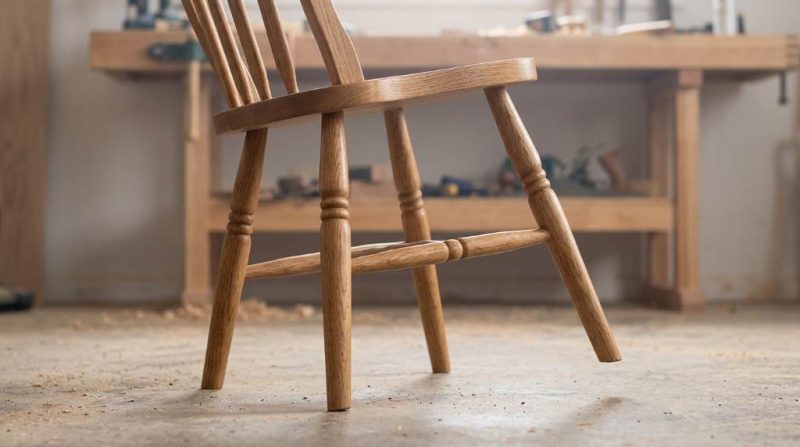
How to Fix a Wobbly Wooden Dining Chair
A wobbly wooden dining chair is one of the most common household frustrations. Studies show that over 60% of furniture repairs attempted by homeowners involve loose joints in wooden chairs. Additionally, untreated wobbly chairs cause accelerated wood damage, costing Americans millions in premature furniture replacement each year. Learning how to fix a wobbly wooden dining chair yourself saves money, extends furniture life, and keeps your dining space safe and functional. This guide walks you through every effective method, from simple tightening tricks to full joint rebuilds.
Why Wooden Dining Chairs Become Wobbly Over Time
Understanding the root cause helps you choose the right fix. Wood naturally expands and contracts with changes in humidity and temperature throughout the year. Over time, this constant movement loosens the glue bonds inside chair joints. Regular daily use adds stress that gradually pulls tenons out of their mortise sockets.
The Most Common Causes of Chair Wobble
Several specific factors speed up joint failure in dining chairs. Cheap hide glue used in older furniture dries out and crumbles after years of use. Uneven floor surfaces force chairs into stress positions that weaken leg joints. Heavy use by multiple family members also accelerates the breakdown of adhesive bonds inside the frame.
Tools and Materials You Need Before Starting
Gathering your supplies before starting saves time and prevents mid-repair frustration. You will need wood glue (specifically PVA or polyurethane formula), bar clamps or ratchet straps, a rubber mallet, sandpaper (80 and 150 grit), and wood shims. Optional materials include toothpicks, cotton string, and two-part epoxy for severely damaged joints. Having everything ready on a flat workspace makes the entire process smoother and more efficient.
How to Diagnose Which Joint Is Causing the Wobble
Before you apply any glue or tighten any screw, identify the exact problem area first. Sit on the chair and shift your weight in different directions to feel where the movement originates. Then lift the chair and gently push each leg and rung by hand to find loose connections. Mark each loose joint with a small piece of painter’s tape so you do not miss any during the repair.
Checking for Cracks vs. Loose Joints
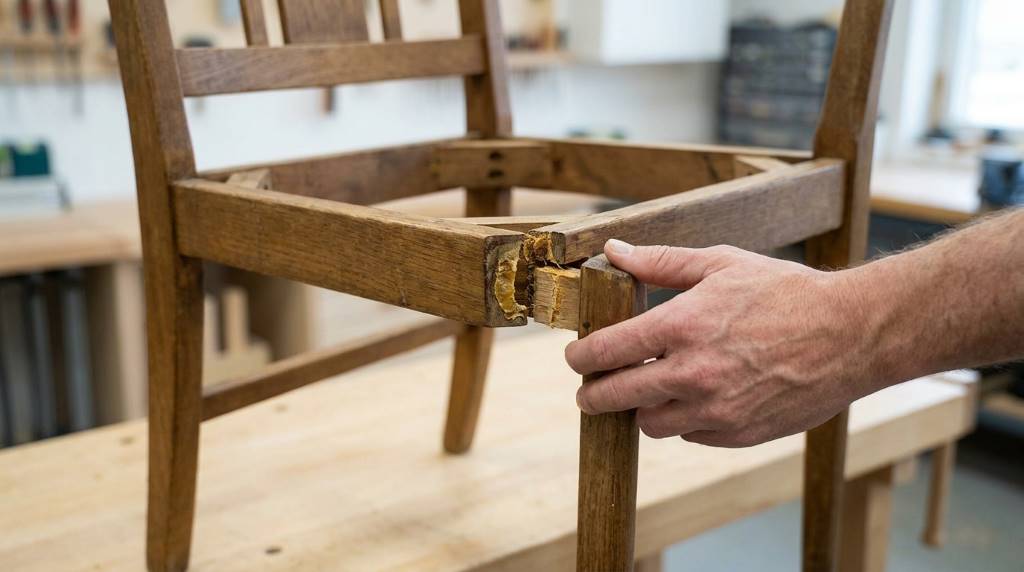
A crack and a loose joint require different repair approaches entirely. Run your fingers along each joint and look for visible gaps between the wood pieces. A loose joint moves freely when wiggled, while a crack shows a visible line in the wood grain. Treating a crack as a loose joint will result in a failed repair within just a few weeks.
Step-by-Step Guide: How to Fix a Wobbly Wooden Dining Chair with Wood Glue
This is the most effective and long-lasting method for fixing loose chair joints. Start by carefully disassembling only the loose parts without forcing tight sections apart. Use a rubber mallet to gently tap joints apart if they resist separation. Always label each part with tape and a marker so reassembly goes smoothly later.
Cleaning the Old Glue from the Joint
Old glue must be fully removed before new adhesive can bond properly. Use a chisel, sandpaper, or a utility knife to scrape all old residue from the tenon and socket. Sand the tenon lightly with 80-grit paper to create a slightly rough surface for better adhesion. Wipe both surfaces with a dry cloth to remove all dust before applying fresh glue.
Applying the Wood Glue Correctly
Apply a thin, even coat of PVA wood glue to both the tenon and the inside of the mortise socket. Do not glob on excess glue, because it creates pressure inside the joint and actually weakens the bond. Insert the tenon firmly into the socket and twist it slightly to spread the glue evenly. Wipe away any squeeze-out immediately with a damp cloth before it dries.
Clamping and Drying the Repair
Proper clamping is the most critical step in learning how to fix a wobbly wooden dining chair successfully. Use bar clamps or wrap a ratchet strap around the entire chair frame to hold all joints tightly together. Place scrap wood between the clamp and the chair to prevent dent marks on the surface. Allow the glue to cure for a full 24 hours before sitting on the chair or removing any clamps.
How to Fix a Wobbly Chair Without Disassembly
Sometimes full disassembly is not practical, especially with older chairs that have many tight joints. In these cases, you can inject wood glue directly into the loose joint using a glue syringe or a toothpick. First, open the joint slightly by wrapping a damp cloth around the tenon to cause mild wood expansion. Then inject glue, clamp firmly, and allow it to dry completely overnight.
Using Toothpicks or Cotton String to Fill Gaps
When a tenon has shrunk and no longer fills the mortise tightly, you need to build it back up. Coat several toothpicks or a length of cotton string in wood glue and pack them around the tenon before inserting it. This technique fills the extra space and creates a snug, solid fit inside the joint. This method is simple, inexpensive, and surprisingly durable when done correctly.
Fixing Wobbly Chair Legs on Uneven Surfaces
Sometimes the wobble comes from the floor, not the chair joints at all. Place the chair on a known flat surface like a tile floor to confirm whether the legs are uneven. If one leg is slightly shorter, glue a thin felt pad or rubber foot cap to the bottom of that leg. Furniture leg levelers are also widely available at hardware stores like Home Depot and Lowe’s across the USA.
When to Use Epoxy Instead of Wood Glue
Two-part epoxy is the right choice when a joint is cracked, missing wood, or has failed multiple times before. Mix the epoxy according to package directions and apply it generously to fill all gaps in the damaged area. Epoxy does not require a perfect fit because it fills voids effectively where wood glue cannot. However, epoxy joints are permanent, so use this method only when simpler options have already failed.
Preventive Maintenance to Avoid Future Wobbling
Regular maintenance keeps your dining chairs solid and extends their useful life by many years. Tighten any visible screws or corner blocks underneath the seat every six months as part of routine care. Keep your home humidity between 35 and 55 percent to minimize wood expansion and contraction cycles. Apply a small amount of furniture wax to the legs annually to protect the wood fibers from moisture damage.
Keep Your Dining Chairs Solid and Safe
Knowing how to fix a wobbly wooden dining chair is a practical skill every homeowner should have. With the right materials and a little patience, you can restore any wobbly chair to a rock-solid, safe condition. Start with the simplest method first and only move to epoxy if easier options do not hold. Take action today, repair that wobbly chair, and protect both your furniture investment and your family’s safety at the dining table.
Frequently Asked Questions
What is the best glue for fixing a wobbly wooden dining chair?
PVA wood glue is the best choice for most loose chair joints because it bonds wood fibers directly and sands cleanly after drying.
How long does wood glue take to dry on a chair repair?
Most wood glues require a full 24-hour cure time before you apply any weight or stress to the repaired joint.
Can I fix a wobbly chair without taking it apart?
Yes, you can inject glue into the loose joint using a syringe or toothpick method without fully disassembling the chair.
Why does my chair keep getting wobbly after I fix it?
Repeated wobbling usually means the old glue was not fully removed before regluing, or the joint gap is too large for glue alone to fill.
Is it worth repairing an old wobbly wooden dining chair?
Absolutely, because a proper repair costs only a few dollars in materials and can extend the chair’s life by ten or more years.